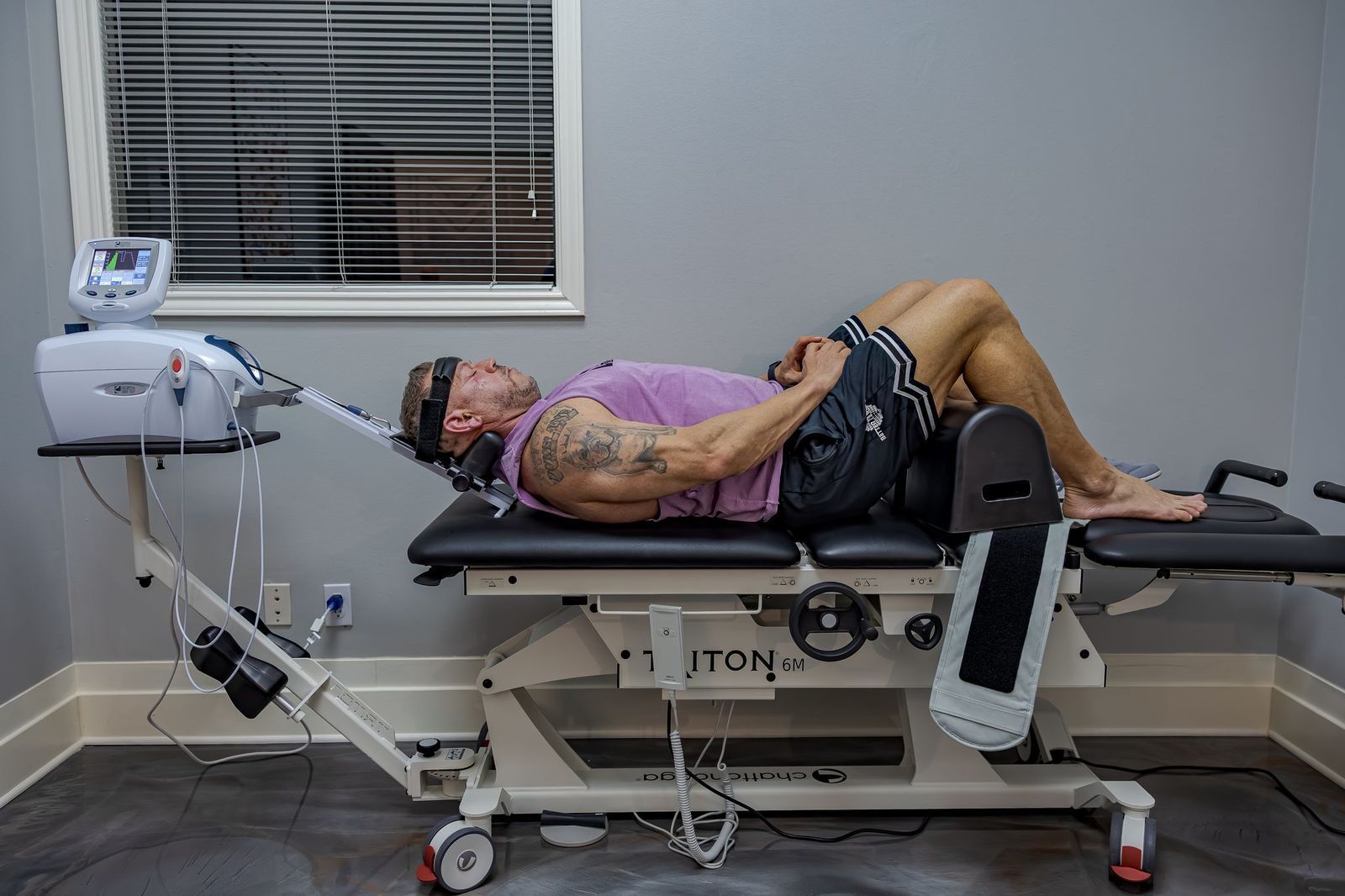
Spinal Decompression Therapy

A gentle, controlled therapy designed to reduce spinal pressure and support disc and nerve health as part of a comprehensive care plan.

What Is Spinal Decompression Therapy?

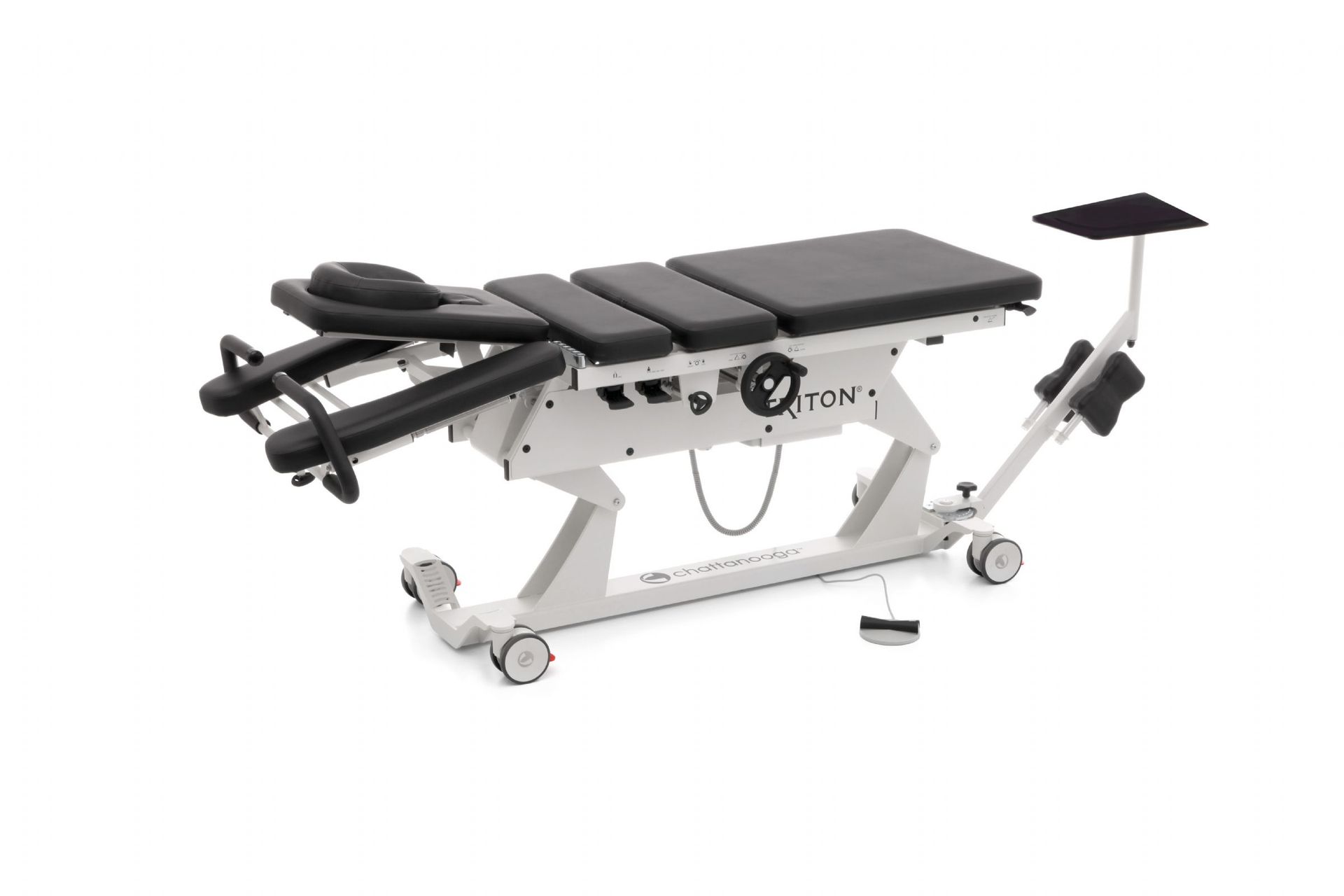
Spinal decompression therapy uses controlled, intermittent traction to reduce pressure within the spine.

By gently separating spinal segments, decompression can help relieve stress on discs, joints, and surrounding nerves. This reduction in pressure may improve circulation to the area and support the body’s natural healing processes.

At Modern Movement, spinal decompression is used intentionally and conservatively, always guided by assessment and combined with active care when appropriate.

What are the different kinds of decompression?
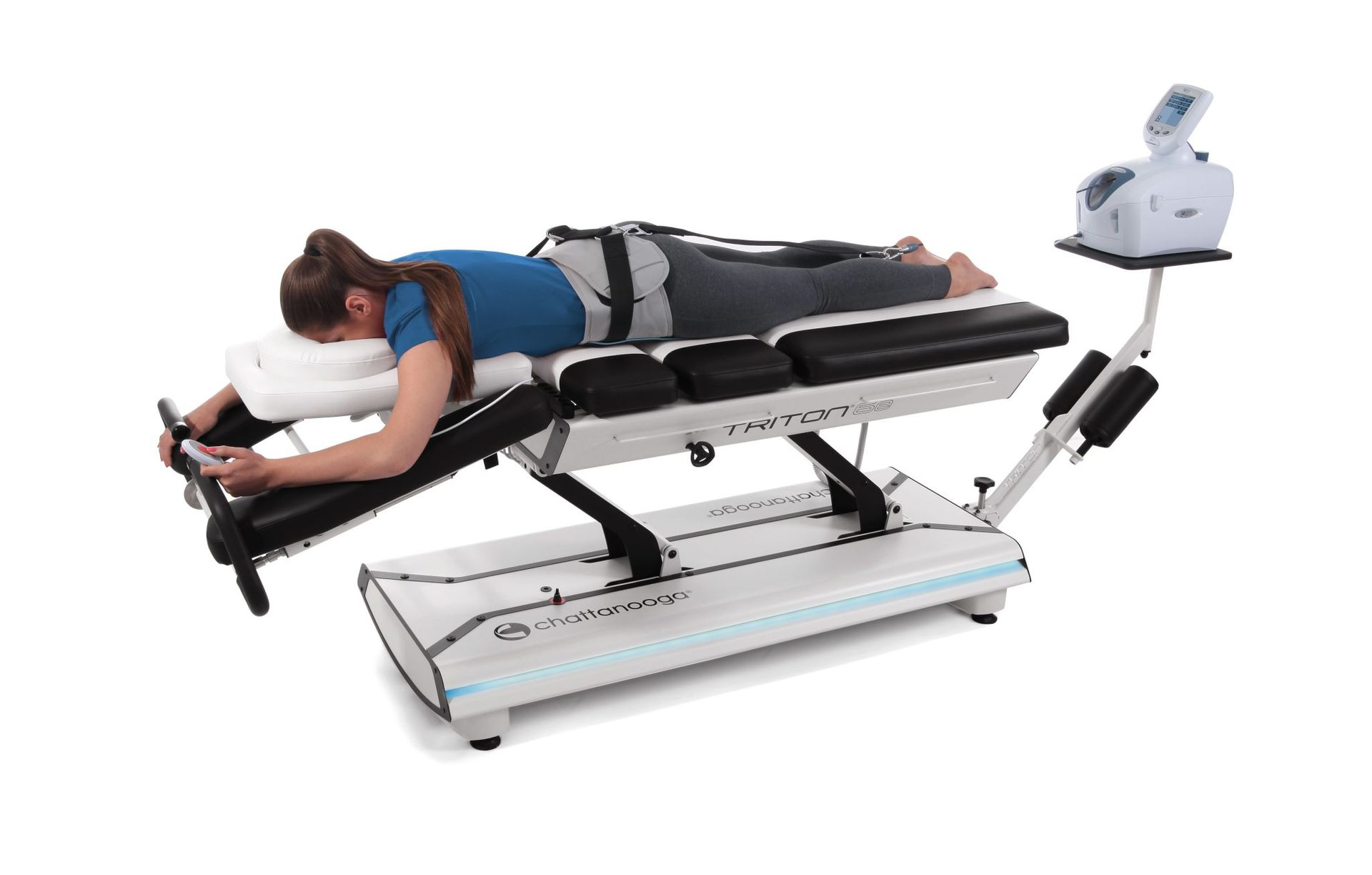
Prone Lumbar Decompression (Face Down)

Prone decompression is performed while lying face down.

This position may be beneficial when:

  • Extension-based positioning is better tolerated
  • Disc or joint stress responds well to a prone posture
  • We want to reduce posterior disc pressure while maintaining spinal alignment

Prone positioning can also feel more comfortable for some patients during longer sessions.

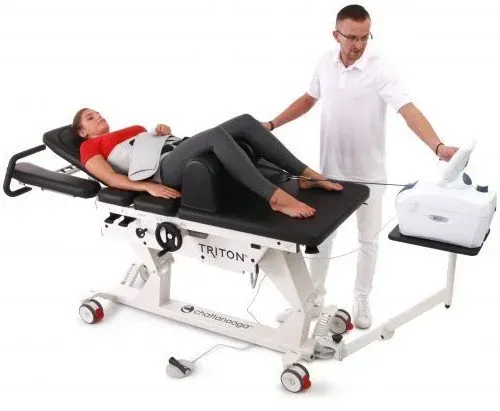
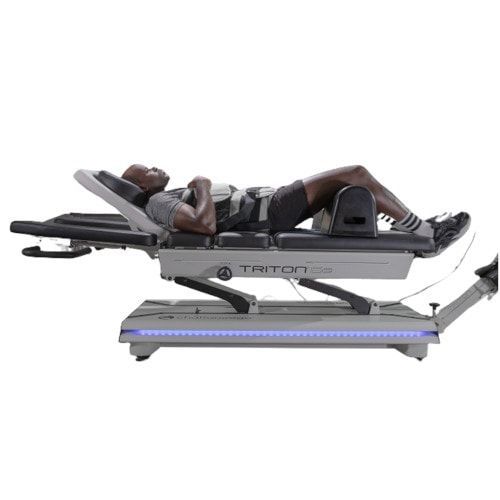
Supine Lumbar Decompression (Face Up)

Supine decompression is performed while lying face up.

This position may be beneficial when:

  • Flexion-based positioning reduces symptoms
  • Nerve-related pain responds better in a supported posture
  • Relaxation and muscle unloading are a priority

Supine decompression allows us to carefully control spinal angles and patient comfort.

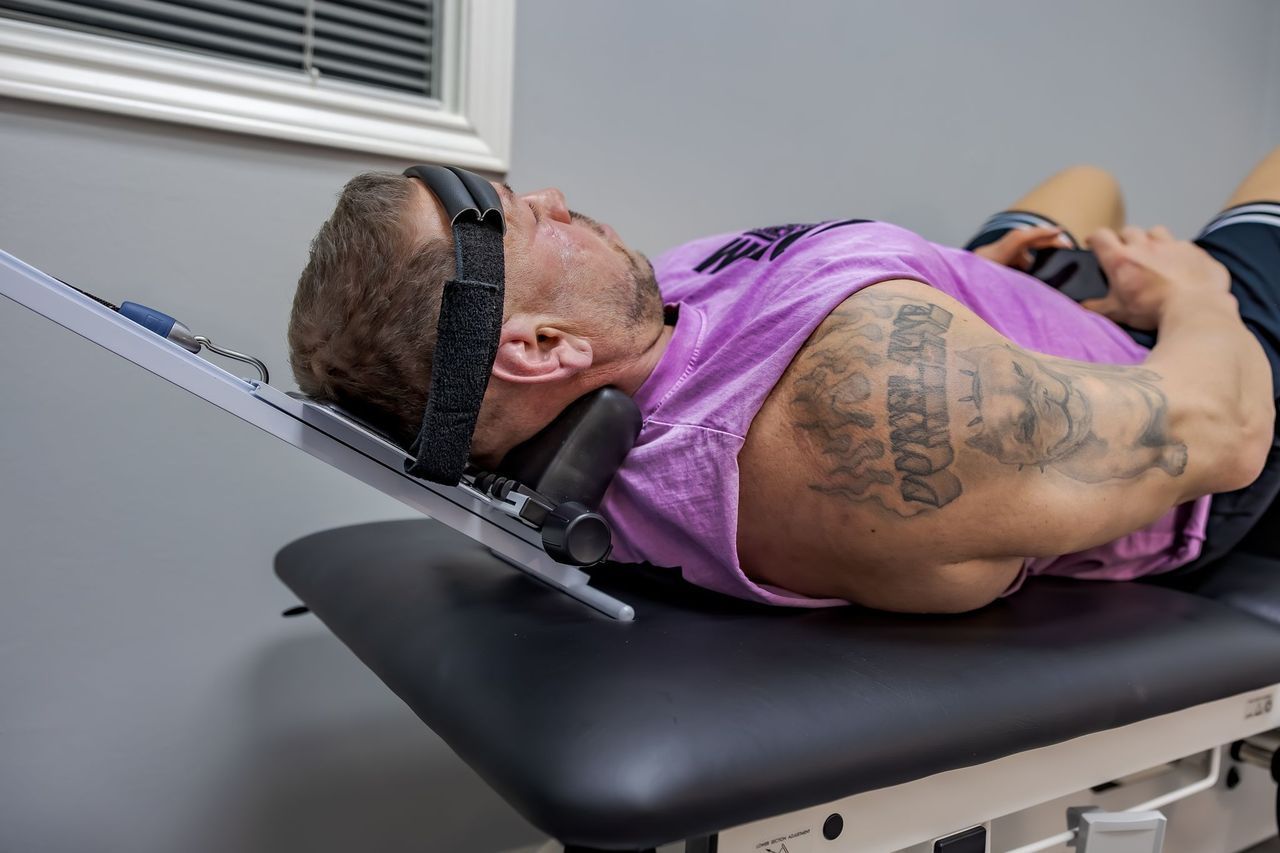
Cervical Decompression (Neck)

Cervical decompression focuses on reducing pressure in the neck and upper spine.

This approach is commonly used to:

  • Reduce nerve irritation
  • Decrease disc and joint compression
  • Improve comfort and mobility in the cervical spine

Cervical decompression is performed in a controlled, supported position and adjusted based on tolerance and response.

Why We Use Spinal Decompression

We use decompression when spinal pressure is limiting comfort, movement, or recovery.

Spinal decompression at Modern Movement:

  • Is used when clinically appropriate — not for every patient
  • Is adjusted based on response and tolerance
  • Supports other treatments rather than replacing them
  • Is combined with rehab, movement, and strengthening when needed

The goal is to reduce stress on the spine while building long-term resilience.

Spinal Decompression Can Help With

When appropriate, decompression therapy may support individuals dealing with:

  • Low back or neck pain
  • Disc-related irritation or pressure
  • Nerve symptoms radiating into the arms or legs
  • Spinal stiffness or compression-related discomfort
  • Pain that worsens with prolonged sitting or standing

Not all spinal conditions require decompression, and we’ll only recommend it when it fits your presentation.

Ready to See if Spinal Decompression Is Right for You?

Spinal decompression is only used when it makes sense for your spine, symptoms, and goals.

An evaluation allows us to determine whether decompression belongs in your care plan and which approach is most appropriate.